

For MLK50: Justice Through Journalism, trust is not an outcome of impactful local coverage — it is a prerequisite. The Memphis-based newsroom investigates the intersections of poverty, power, and policy while centering the voices of people most impacted by systemic injustice. That approach shapes not only what MLK50 covers, but how the work is done and who it is accountable to.
“We’ve seen the power that narratives serve when used as a tool by people causing harm and avoiding accountability. Stories created to justify oppression and injustice are then consecrated into a history that threatens to erase the struggle and the solidarity. As Zora Neale Hurston said, ‘If you are silent about your pain, they’ll kill you and say you enjoyed it,’” said Creative Director Andrea Morales.
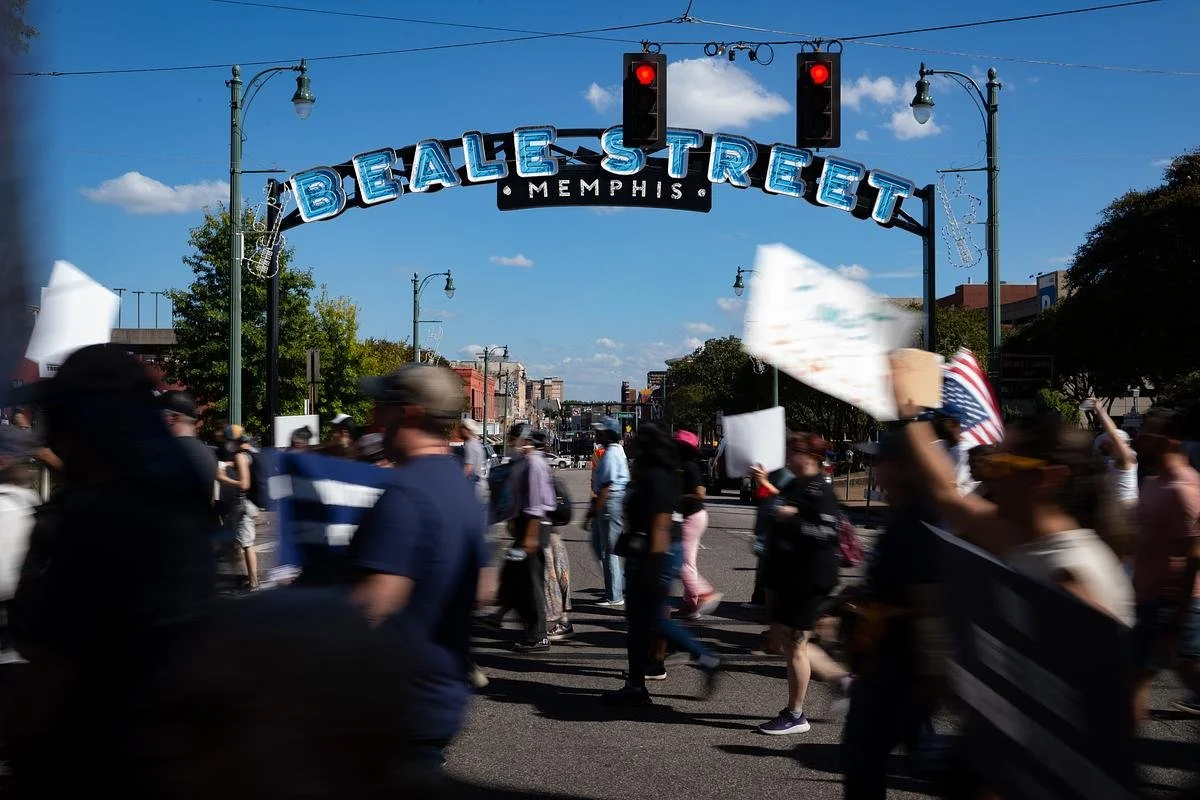
Visual journalism has been foundational to MLK50’s reporting since its founding in 2017. Photography and video are integrated into investigations to help document conditions, provide context, and make the consequences of policy decisions visible to the public. That approach is evident in the work of CatchLight Local fellow Kevin Wurm, who joined the newsroom in July 2025.


Wurm’s photography has contributed to MLK50’s investigation of the Memphis-Shelby County Youth Justice and Education Center, where children as young as 13 are held in solitary confinement without access to school or fresh air. His images also accompanied MLK50’s reporting on the proposed xAI data center backed by Elon Musk, documenting public meetings and community response as residents questioned the project’s environmental impact, transparency, and the role of local institutions in advancing it.
That sense of accountability also informs how Wurm thinks about representation and audience, particularly in a city long affected by limited and sensationalized media coverage.
“The city often gets reduced to headlines or statistics and is given a bad rap because of the very real challenges it faces. My aim is to complicate that narrative by showing the humanity, resilience, and depth that exist alongside those challenges,” Wurm said. “Ultimately, I want the photographs to push people to look beyond stereotypes and understand Memphis as a place shaped not just by hardship, but by strength, history, culture and care.”

Having grown up in public housing, Wurm says that many of the neighborhoods and stories he encounters in Memphis feel familiar. Before raising a camera, he begins by listening, spending time in communities to build trust and understand how power and policy shape daily life.
“My goal is not to reduce anyone to their struggle, but to show the fullness of who they are while making visible the larger forces that shape their circumstances. By moving slowly and working collaboratively, I try to create images that honor dignity and humanity while still holding institutions and systems accountable for the inequities they produce,” Wurm said.
Producing journalism that centers movements and the people who fuel them carries risks. In a moment of increasing threats to press freedom and widening inequality, MLK50 remains committed to staying the course and showing up as part of the community, not above it.
“It’s hard to predict what is to come, especially given the unprecedented times we’ve just lived through,” Morales said. “We just want to keep making journalism in this community for this community.”
See more images by Kevin Wurm in the gallery below or visit MLK50.com.


