
In newsrooms across America, a quiet shift is beginning to take root — one that places visual storytelling not on the sidelines, but at the center of community journalism.
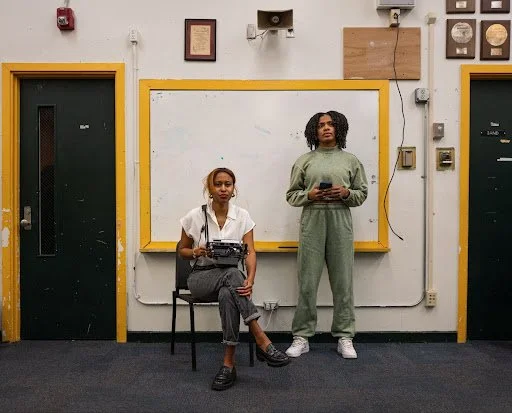
For years, local editors have faced the same problem: the cycle of hiring freelance photographers, onboarding them quickly, and then watching them disappear. “We’ve spoken to so many newsrooms who are frustrated,” says Alyssa Schukar, cofounder of Prism Photo. “They work with a photographer once, and then that person turns down future assignments — usually because the pay isn’t sustainable, or they don’t feel supported.”
It’s a system that doesn’t work — especially for photographers from underrepresented communities, those with deep local ties and lived experiences that make stories richer and more authentic. They’re the very voices local journalism needs most, yet they’re often the first to be pushed out.

That’s the problem a new Visual Journalism Toolkit, created by Prism Photo as a Reynolds Journalism Institute project, aims to solve.
Instead of offering a quick fix, the free toolkit helps newsroom leaders rethink how they engage with visual contributors — not just as gig workers, but as integral parts of the journalistic process. It outlines steps to create a visual infrastructure that supports equity and long-term sustainability.
One key recommendation? Build internal systems that value more than just a portfolio. The toolkit encourages editors to track qualities like language skills, community connection, and availability, helping them work more consistently with contributors who truly understand the local context.
Michelle Kanaar, cofounder of Prism Photo and Visual Editor at CatchLight, stresses the importance of treating photographers as collaborators. “Trained photojournalists don’t just take beautiful images — they understand ethics, informed consent, captioning, and source safety,” she says. “That knowledge protects both the subject and the story.”

The toolkit also emphasizes the strategic value of visual journalism. One newsroom reported losing a staff photographer and realizing just how much initiative they brought — pitching story ideas, building relationships, and crafting deeper narratives. “We can’t get that same value with only freelancers,” Kanaar explains.
Still, the reality is that many local outlets don’t have the budget for full-time staff. That’s why the toolkit offers practical resources for working with freelancers: photographer databases, workflow optimization, and equitable contract templates. It’s designed to meet newsrooms where they are, while pushing them to aim higher.
A major barrier, the creators found, is simply making the case for investment. News leaders often prioritize metrics such as page views or short-term financials. But the toolkit includes case studies showing that when visuals are part of a broader strategy, they drive engagement and loyalty — even revenue.
One of these case studies explores a project from El Tímpano, in collaboration with the CatchLight Local Visual Desk, which aimed to understand the cultural significance of La Pulga, a flea market in Oakland.

“The goal was to create a storytelling experience that seamlessly fit into the market’s environment,” wrote Mayra Sierra, Special Projects Manager for El Tímpano. “Our team sought to design a photo booth that would be inviting to those who frequented La Pulga so that we could organically learn about the importance of the market and gain insight into the lives of the people who spend their time and money here.”
The result led to an increase in readership, social media followers, SMS subscribers, and a deeper connection with the Latino and Mayan communities in Oakland.
The toolkit also helps leaders rethink practices that inadvertently harm contributors. “We’ve seen editors revise their copyright policies after realizing they were stripping photographers of future income,” Schukar notes. “Often, they just didn’t know.”
As AI-generated images and PR handouts become more common, the toolkit offers a clear ethical stance: Don’t present AI visuals as documentary photography and disclose their use. It provides a framework to help editors decide what’s appropriate, legal, and ethical in this evolving landscape.
At its heart, the Visual Journalism Toolkit is a call for a cultural shift in journalism.
“We’re building an ecosystem,” says Kanaar. “This isn’t about competition, it’s about collaboration. Because if local journalism is going to survive, we have to invest in the people who tell our stories visually, truthfully, and with care.”
In a time when trust in media is fragile and resources are scarce, the solution may not be louder headlines — but stronger images, deeper relationships, and a shared commitment to storytelling that reflects the communities we serve.